
Trauma sensitive yoga is the foundation.
Trauma Center Trauma Sensitive Yoga (TCTSY)
Enlightened by years of neuroscience, trauma theory, and attachment theory research. The emphasis is not on the appearance of the yoga forms, or “doing it right,” but rather on your own internal experience. These classes offer the opportunity to make choices about how to move (or not move) your body, with invitations to tune-in to your felt bodily experience as much or as little as you like.
I hold space that is anchored in Shared authentic experience, Agency, Interoception, Choice and Safety.
TCTSY is equally accessible to all people regardless of age, gender identity,
race, ethnicity, body type and physical ability.
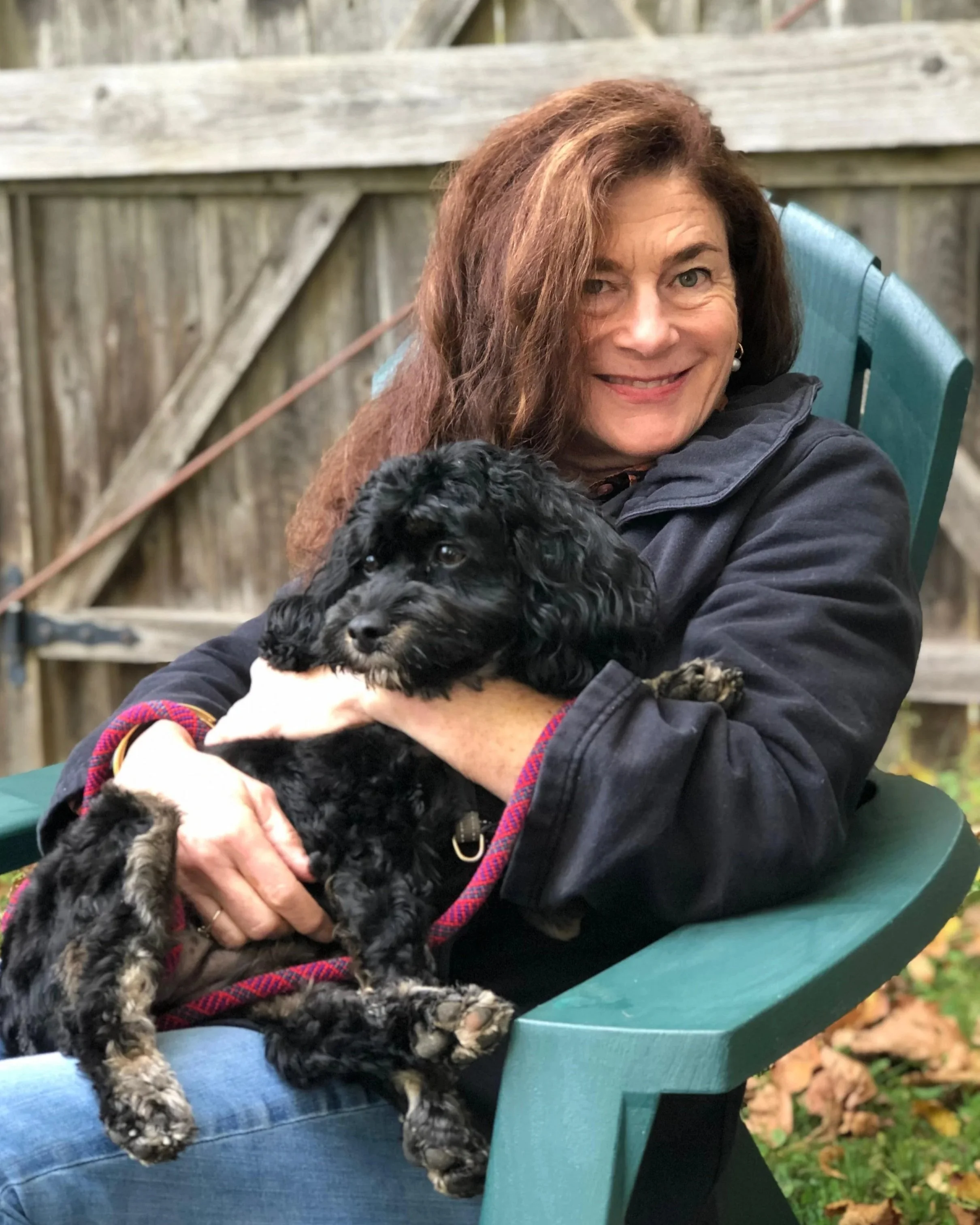
CHRISTINE DU MOND, TCTSY-F, RYT-500,
My approach to healing from complex trauma through somatic practice is informed by both lived experience and the sacred work of holding shared healing spaces. Through more than 600 hours of collective practice with courageous women, I have witnessed the wisdom and capacity for healing and embodiment through trauma-informed somatic practices—including the foundation of Trauma Sensitive Yoga (TCTSY), vagal toning, breath work, and mindfulness—while cultivating safety and presence.
The foundation of my work is informed by Polyvagal Theory—often referred to as the science of safety—with an emphasis on cultivating choice, agency, interoception and shared authentic experience.
Our lived experiences shapes our nervous system and informs how we sense, respond to, and connect with the world around us. When vulnerability is held with safety and presence, it creates space for compassion, accessibility, and intuitive self-expression to emerge - healing becomes an embodied journey of self-discovery—one that integrates mind, body, and spirit, and supports a return to authenticity, regulation, and a deeper sense of ease and well-being.
Additional certificates include:
Applied Polyvagal Theory in Therapeutic Yoga for Trauma Recovery ( Dr. Arielle Schwartz/Dr. Stephen Porges), Somatic EMDR (The Embody Lab), Registered Yoga Teacher (RYT500) Yoga Alliance.
I am honored to work with women in an intensive outpatient program at The Center for Trauma Recovery (c4tr) in Essex Junction, Vt.
In Peace, Love, and Light,
Christine


